Comportamiento humano y colectivo
Memoria, atención, cooperación, aprendizaje, preferencias, interacción social y toma de decisiones en individuos y grupos.
Ver investigaciónCRiSS-LAB combina ciencias sociales computacionales, ciencia de redes, experimentos e inteligencia artificial para entender cómo las personas interactúan, aprenden, recuerdan, cooperan, forman preferencias y toman decisiones.
Desde memoria colectiva y comportamiento online hasta educación, instituciones y sistemas humano–IA, conectamos investigación fundamental con herramientas y evidencia para problemas del mundo real.
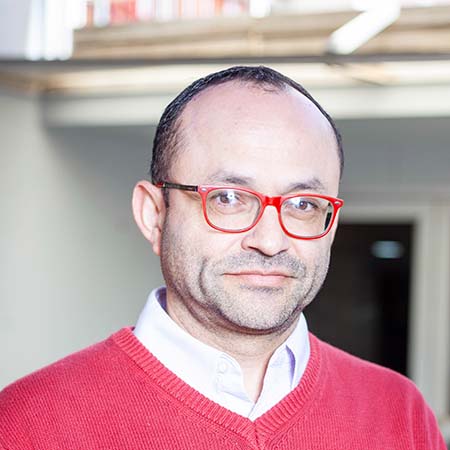
CRiSS-LAB es un laboratorio interdisciplinario de ciencias sociales computacionales de la Universidad del Desarrollo, en Santiago de Chile, dirigido por Cristian Candia, Ph.D. Estudiamos el comportamiento humano y los sistemas sociales usando datos a gran escala, experimentos, ciencia de redes, modelamiento estadístico, inferencia causal e inteligencia artificial.
Nuestra investigación abarca memoria y atención colectiva, cooperación y aprendizaje, redes sociales, preferencias y toma de decisiones, modelos computacionales de heterogeneidad humana y la interacción entre personas e IA. También traducimos investigación en plataformas aplicadas y evidencia para educación, ciencia, organizaciones, tecnología de interés público y otros contextos reales.
Cristian Candia, Ph.D.
Director de CRiSS-LAB.
Qué estudiamos
Usamos métodos computacionales, experimentos, redes e inteligencia artificial para estudiar cómo el comportamiento humano escala hacia patrones en grupos, instituciones y sociedades.
Memoria, atención, cooperación, aprendizaje, preferencias, interacción social y toma de decisiones en individuos y grupos.
Ver investigaciónCómo los modelos computacionales y la IA representan juicios humanos, heterogeneidad, errores sistemáticos y preferencias colectivas.
Ver línea de investigaciónConectamos investigación fundamental con educación, ciencia, organizaciones, debate público, mercados y plataformas digitales.
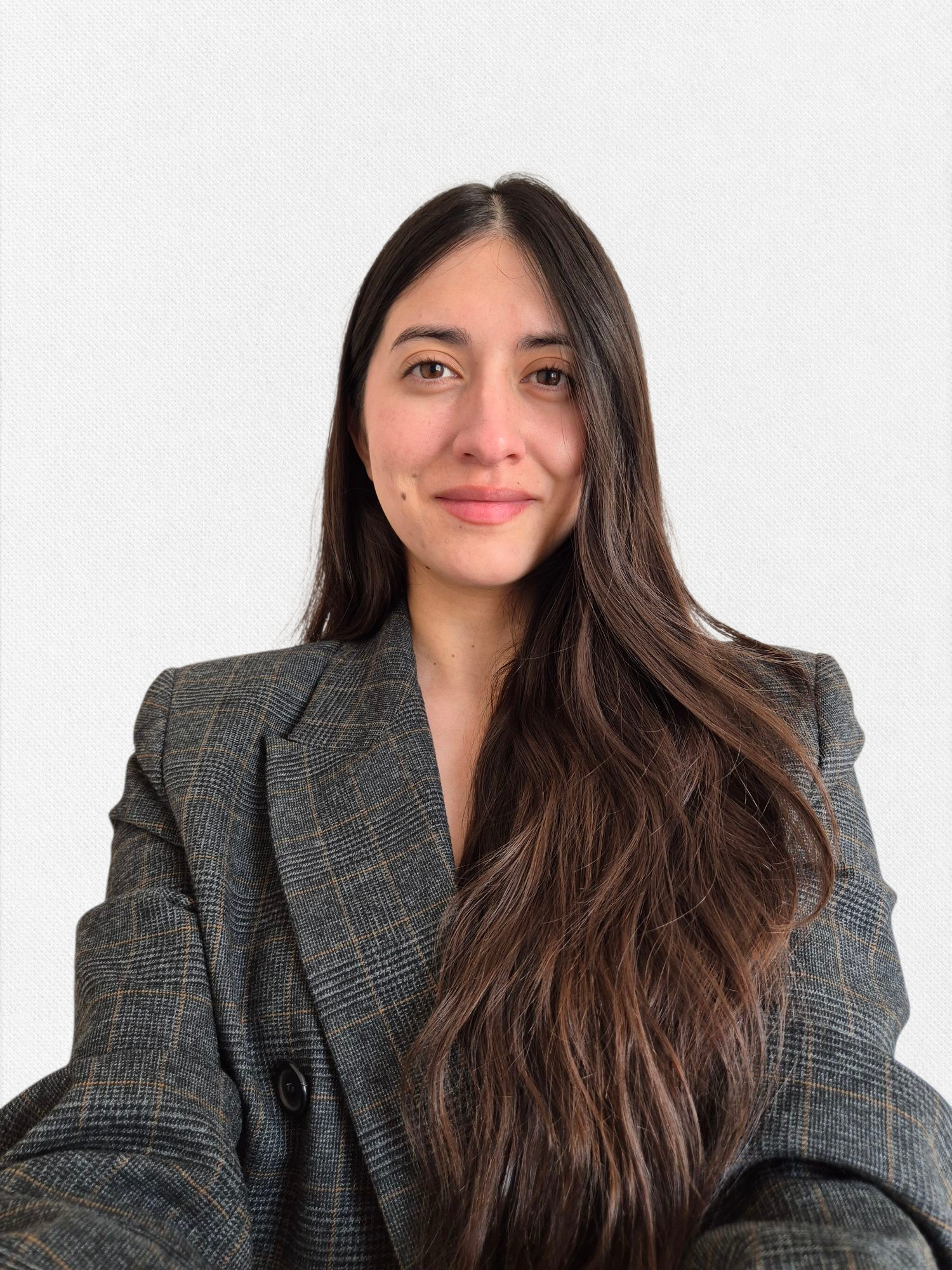
Ver proyectosLas personas detrás de CRiSS-LAB
Nuestro equipo conecta teoría, datos y tecnología aplicada para estudiar memoria colectiva, aprendizaje, cooperación y toma de decisiones en sistemas sociales reales.







![Boundaries of Belonging in Memory, Politics, and Schools [Keynote]](https://ingenieria.udd.cl/files/2025/09/key3-1366x768.jpg)
![Neural Network Nominate: Mapping Mass Political Ideology via Revealed Preferences [Best Lightning Talk Award]](https://ingenieria.udd.cl/files/2025/09/award3-1366x768.jpg)
![Complexity Global School for Emerging Political Economies 2025 [Invited Faculty]](https://sfi-edu.s3.amazonaws.com/sfi-edu/production/uploads/edu_gallery/20240722_141528467_iOS_ae02c8.jpg.1800x1200_q85_box-0%2C175%2C4032%2C2863_replace_alpha-%23FFFFFF_upscale.jpg)
![Quantifying student behavioral patterns and roommate peer effects [Charla Virtual]](/es/event/talk23_jiangao/featured_hua42755a3d6aa1d3e0341c6617544d8df_54828_150x0_resize_q75_h2_lanczos.webp)
![Social Networks Predict the Emergence of Technologies. [Virtual Talk]](/es/event/talk22_blengyel/featured_hu0985bdcf8bd79ae184ca9f0c8e883cf8_33818_150x0_resize_q75_h2_lanczos.webp)
![Contextualized Construct Representation: Leveraging Psychometric Scales to Advance Theory-Driven Text Analysis. [Virtual Talk]](/es/event/talk21_mattari/featured_hu041b05810bb990a81370a2d1e6c39a98_6087_150x0_resize_q75_h2_lanczos.webp)